Energy production in the United States does not operate in isolation. While wells are drilled in Texas, North Dakota, and Pennsylvania, the forces shaping production decisions often originate far beyond U.S. borders.
From global supply balances to LNG demand in Europe and Asia, international energy markets influence production decisions made by American oil and natural gas producers.
The Energy Market Is Global—Even When Production Is Local
Oil is priced in a global market. Even though the United States is one of the world’s largest producers, domestic pricing benchmarks such as West Texas Intermediate (WTI) are influenced by worldwide supply and demand conditions.
Organizations like OPEC coordinate production targets among member nations, affecting global crude supply. Adjustments to quotas can tighten or expand global inventories, which may affect price signals that influence U.S. drilling activity.
According to the U.S. Energy Information Administration (EIA), the United States has been the world’s largest combined producer of petroleum and natural gas in recent years. The EIA’s Short-Term Energy Outlook and International Energy Statistics datasets provide detailed context for how U.S. output compares globally.
Global Oil Supply and U.S. Production Decisions
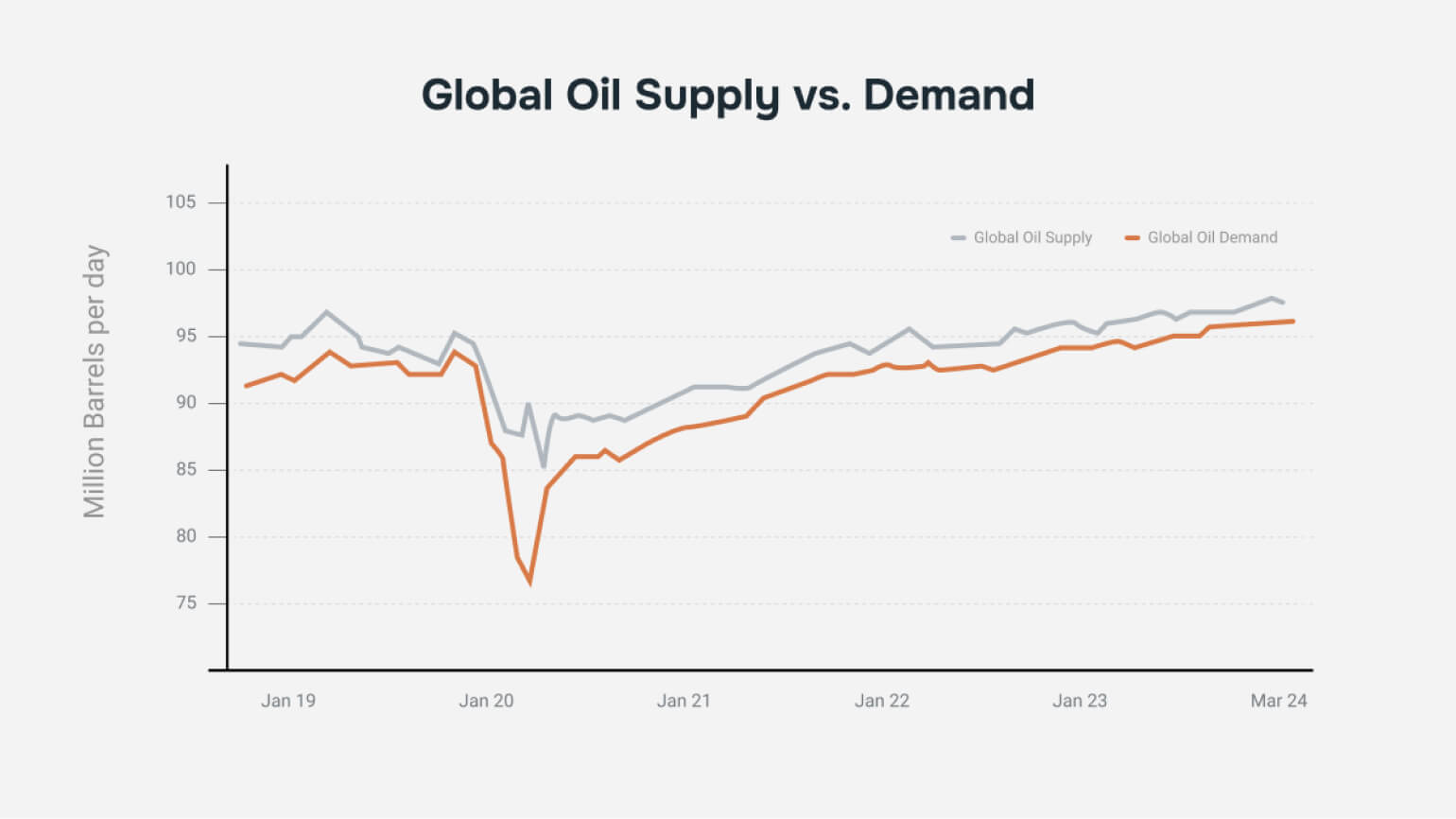
When global supply outpaces demand, oil prices have historically tended to soften. In those environments, some U.S. producers may moderate drilling activity, with greater emphasis on capital discipline and operational efficiency.
Conversely, when global inventories tighten due to supply constraints or demand growth, stronger pricing may support increased drilling and completion activity in key basins such as the Permian.
Investors frequently review OPEC’s Monthly Oil Market Report alongside EIA production data to assess how global balances may influence domestic output decisions. Monitoring both international supply policy and U.S. field-level production data provides a more complete picture than either dataset alone.
Natural Gas, LNG, and International Demand
Natural gas markets have become increasingly interconnected through liquefied natural gas (LNG) exports.
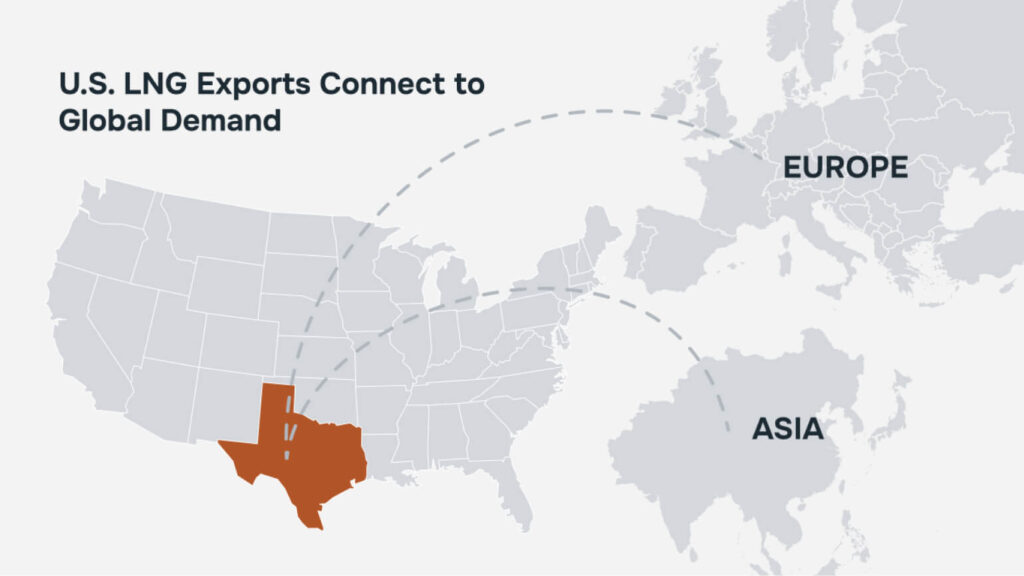
The EIA’s U.S. LNG export data and its Natural Gas Weekly Update detail how U.S. supply now flows to Europe and Asia. Following shifts in European energy policy after the conflict in Ukraine, U.S. LNG exports increased and played a larger role in supplying certain global markets.
Export demand can tighten domestic balances, which may influence production decisions in gas-focused regions. As additional export capacity comes online, U.S. producers may become more exposed to international demand signals in addition to domestic pricing conditions.
Geopolitics and Capital Discipline
Geopolitical events—such as sanctions, regional instability, or trade realignments—can alter global supply flows. International benchmarks respond accordingly, and U.S. producers adjust within a framework shaped by capital discipline.
Unlike prior cycles characterized by rapid volume expansion, today’s operators often emphasize return on capital, free cash flow generation, and balance sheet strength. Global price movements still matter—but production responses are generally measured and data-driven.
What This Means for Long-Term Energy Investors
For long-term investors, understanding global energy markets is essential—even when evaluating domestic-focused operators.
Key considerations include:
- Oil pricing is influenced by global supply-demand balances.
- LNG exports connect U.S. natural gas production to international markets.
- Geopolitical events may influence supply flows and price signals.
- Capital discipline moderates how quickly U.S. production responds.
U.S. production trends are not solely driven by domestic factors. It is part of a globally interconnected energy system shaped by international policy, trade flows, and long-term demand trends.
Resources
U.S. Energy Information Administration – Short-Term Energy Outlook
Provides monthly forecasts and analysis of global oil and natural gas markets.
https://www.eia.gov/outlooks/steo/
U.S. Energy Information Administration – International Energy Statistics
Comprehensive dataset comparing global production and consumption trends.
https://www.eia.gov/international/data/world
OPEC Monthly Oil Market Report
Details global supply-demand balances and member production targets.
https://www.opec.org/opec_web/en/publications/338.htm