
Energy markets react quickly to headlines — geopolitical tensions, production cuts, refinery outages, or export policy shifts. But behind the volatility, a more structural force shapes the oil market: infrastructure.
Production levels matter. Demand trends matter. But without pipelines, refineries, storage hubs, and export terminals, oil cannot reach the markets that need it.
Infrastructure plays a central role in how efficiently supply connects to demand.
Refinery Capacity: The Hidden Bottleneck
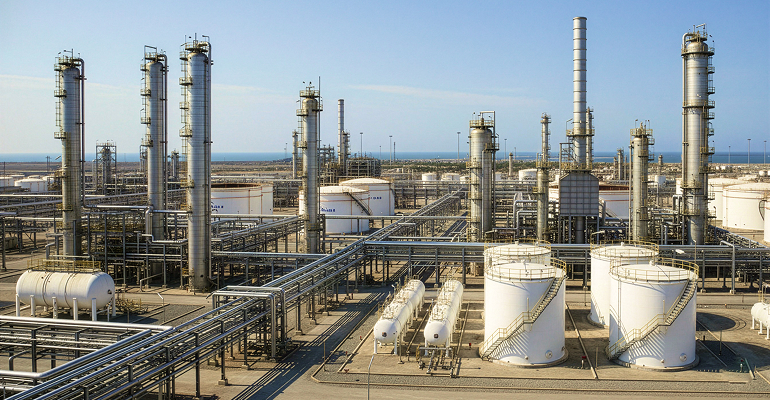
Refineries convert crude oil into usable products like gasoline, diesel, and jet fuel. Even if crude production rises, limited refinery capacity can restrict how much finished product reaches consumers.
Over the past several years, refinery capacity has fluctuated due to maintenance cycles, upgrades, and permanent closures. When refinery utilization rates tighten, it can contribute to upward pressure on product prices, even if crude supply appears adequate.
Refining is capital-intensive and heavily regulated. Expanding capacity is not as simple as drilling another well. This makes refinery constraints a recurring structural factor in fuel markets.
Export Terminals and Global Pricing
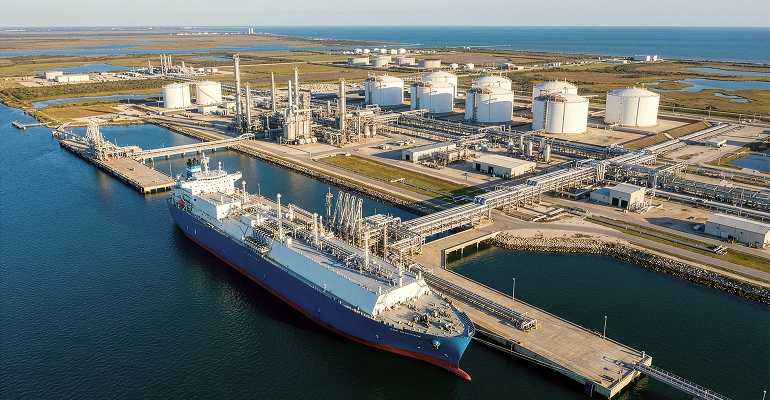
The United States has become one of the world’s largest crude oil exporters. However, exports depend on terminal capacity, storage infrastructure, and marine logistics.
When export terminals approach capacity, it can create regional price discounts. Gulf Coast pricing dynamics, for example, are often influenced by the ability to move crude onto tankers efficiently.
Infrastructure expansion — such as deepwater ports capable of loading very large crude carriers (VLCCs) — can improve market access and may support closer pricing alignment with global benchmarks, depending on market conditions.
Exports are not just about production levels; they are about throughput capacity.
Pipeline Constraints and Regional Discounts
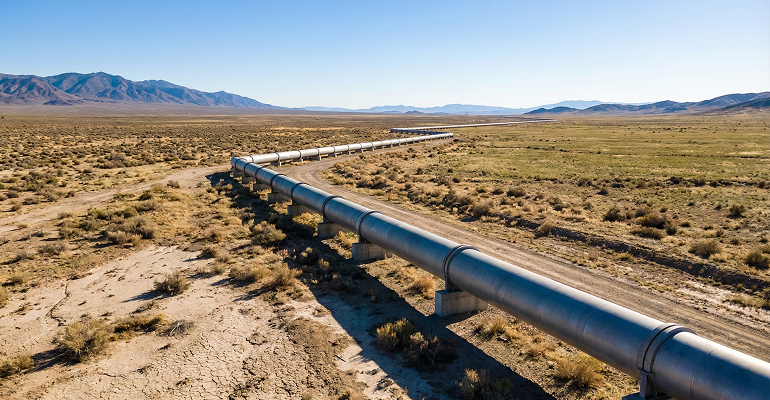
Pipelines connect production basins to refineries and export hubs. When pipeline capacity lags production growth, bottlenecks emerge.
Historically, regions like the Permian Basin have experienced price discounts when pipeline takeaway capacity was insufficient. These differentials can narrow once new infrastructure comes online.
Pipeline timelines, regulatory approvals, and capital allocation decisions all influence how quickly supply imbalances resolve.
Infrastructure constraints can help explain regional price volatility, sometimes providing context beyond national production statistics.
Why Infrastructure Matters for Long-Term Investors
Short-term headlines can drive price swings. Infrastructure shapes durability.
Pipeline systems, refinery complexes, and export terminals are long-lived assets. They require significant capital investment and long planning horizons. Once built, they provide steady throughput and fee-based revenue structures in many cases.
In long-term energy sector analysis, infrastructure capacity can provide insight into:
- Regional competitiveness
- Market access flexibility
- Export growth potential
- Supply chain resilience
Understanding how oil moves — not just how much is produced — provides deeper context for evaluating the energy sector.
Markets respond to news. Energy systems respond to infrastructure.
Resources
U.S. Energy Information Administration (EIA) – Petroleum Data
Official data on refinery capacity, exports, and pipeline flows.
https://www.eia.gov/petroleum/
Oil & Gas Journal – Refining & Processing
Industry reporting on refinery expansions, shutdowns, and infrastructure developments.
https://www.ogj.com/refining-processing
These resources are provided for general education and independent research. They are not intended as market forecasts or investment guidance.